Green · 520–532 nm
Produces vasoconstriction to reduce bleeding.
Laser technology · individual assessment · follow-up
A guide to the approach used by Dr. Gabriel Cubillos and his team: how the laser is used, how fat is removed and the role of aftercare.
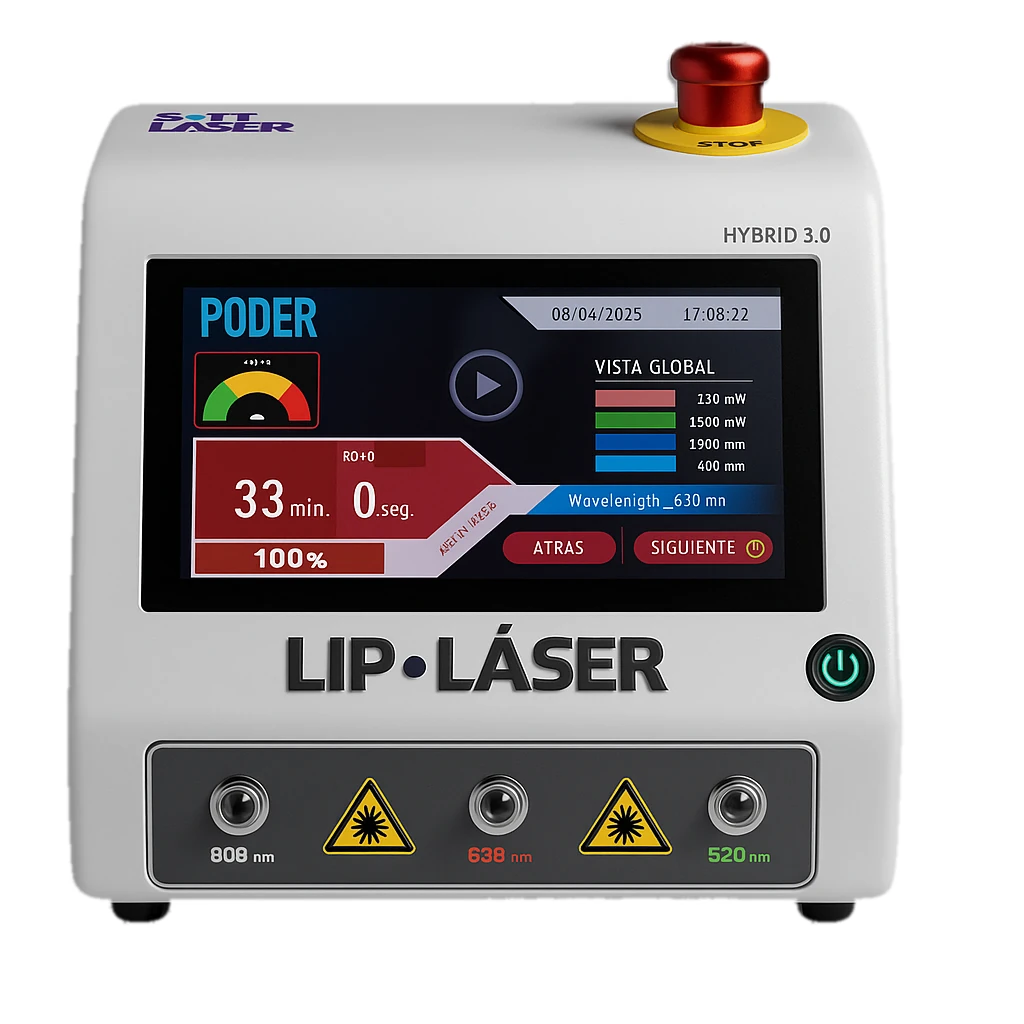
The starting point
It is an approach to laser-assisted lipolysis that combines medical assessment, treatment of adipose tissue, fat removal and metabolic support. This educational diagram shows how the three wavelengths relate to Laser Megalipolysis.
Produces vasoconstriction to reduce bleeding.
Energy is applied to adipose tissue to liquefy fat before removal.
Fibroblast stimulation to generate elastin, collagen, ligament tension and skin retraction.
Fat removal: through small incisions in the abdomen, back, legs, arms and neck.
The evolution of the technology
Dr. Gabriel Cubillos explains how fat treatment, skin response and vascular control evolved through the development of his Lipolaser devices, from the first to the fifth generation. Video in Spanish.
Fat removal
Small incisions are made, with lymphatic drainage or suction, in procedures performed by plastic surgeons who are part of Dr. Gabriel Cubillos’ surgical team.
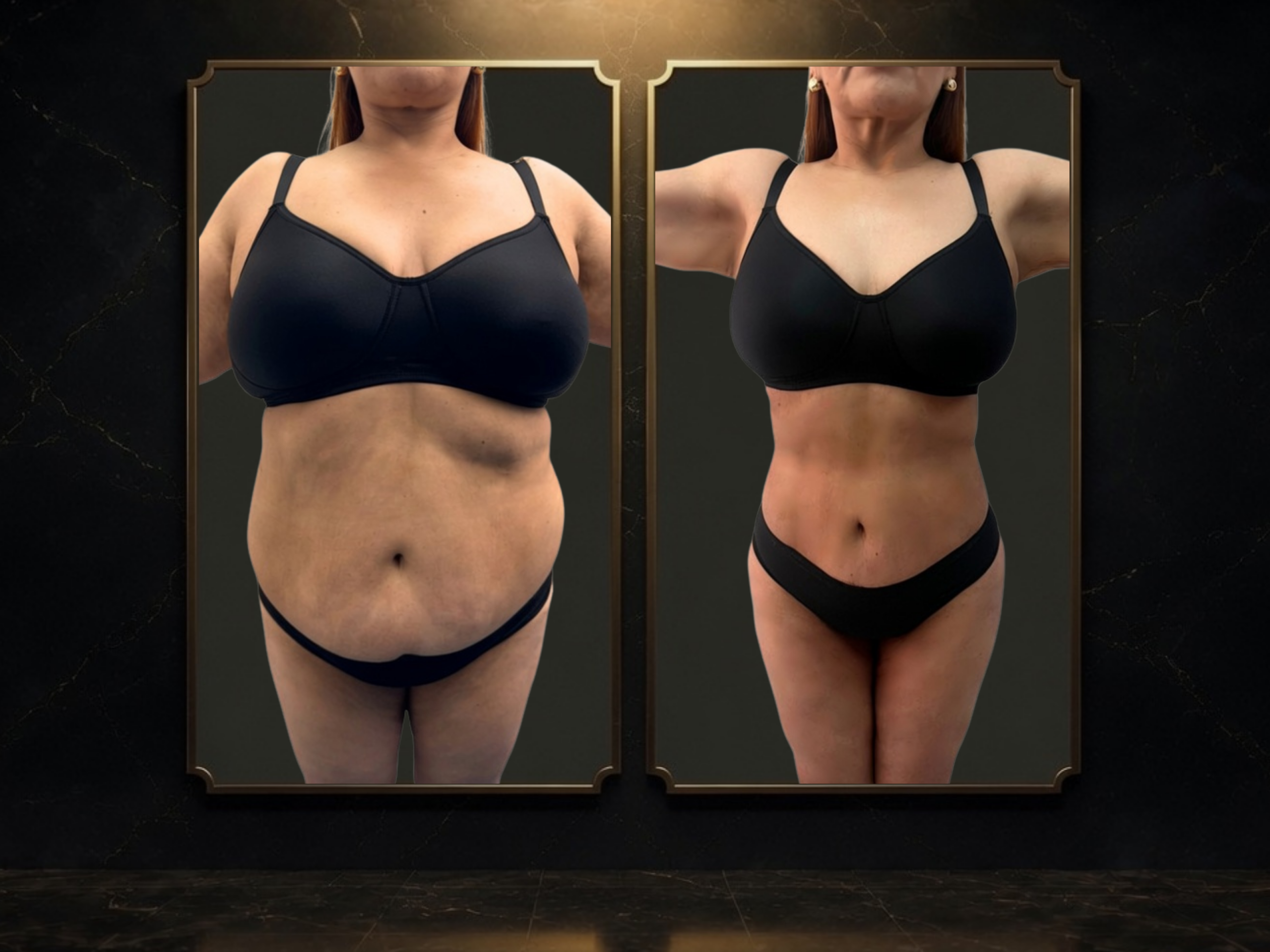
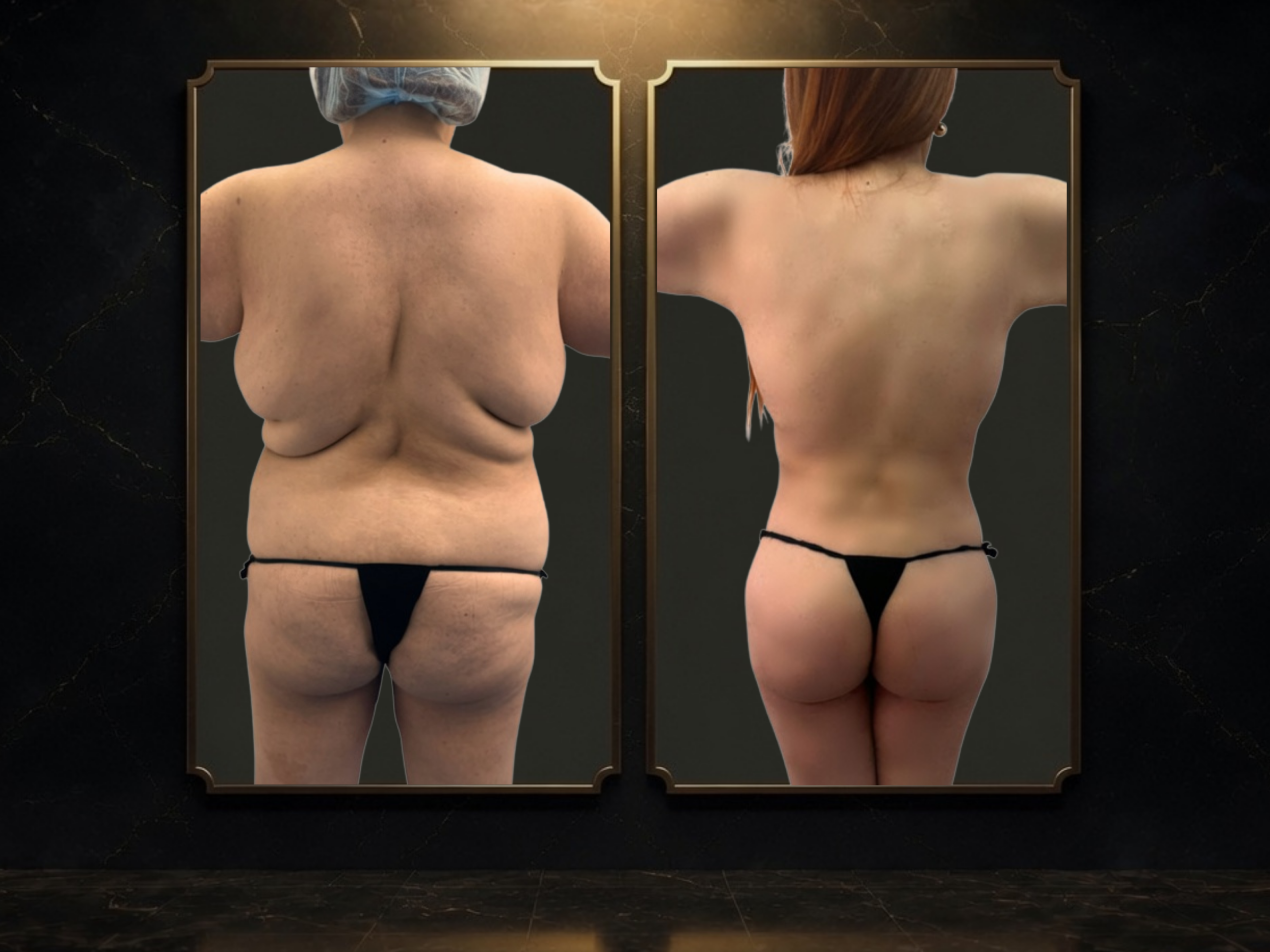
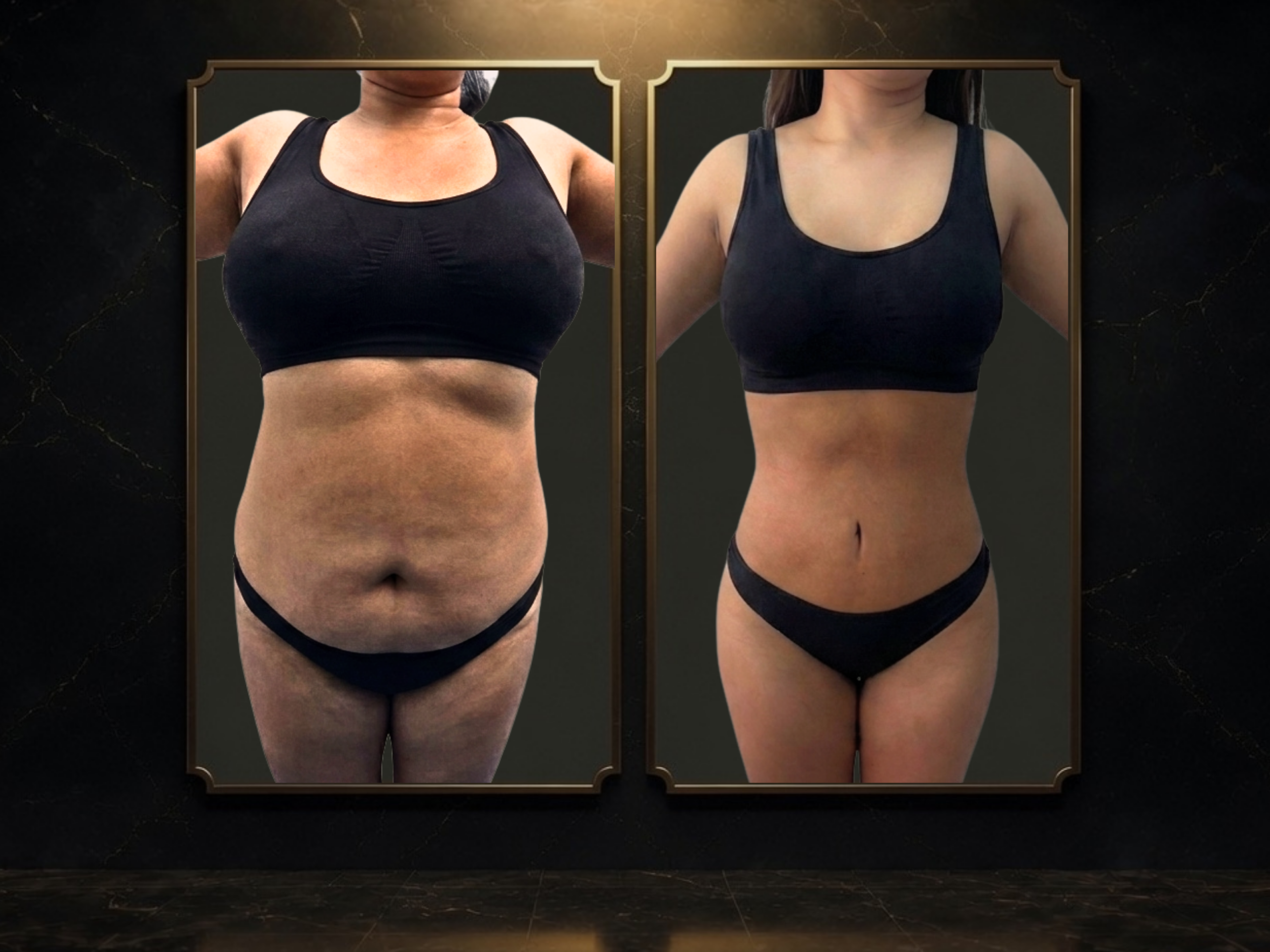
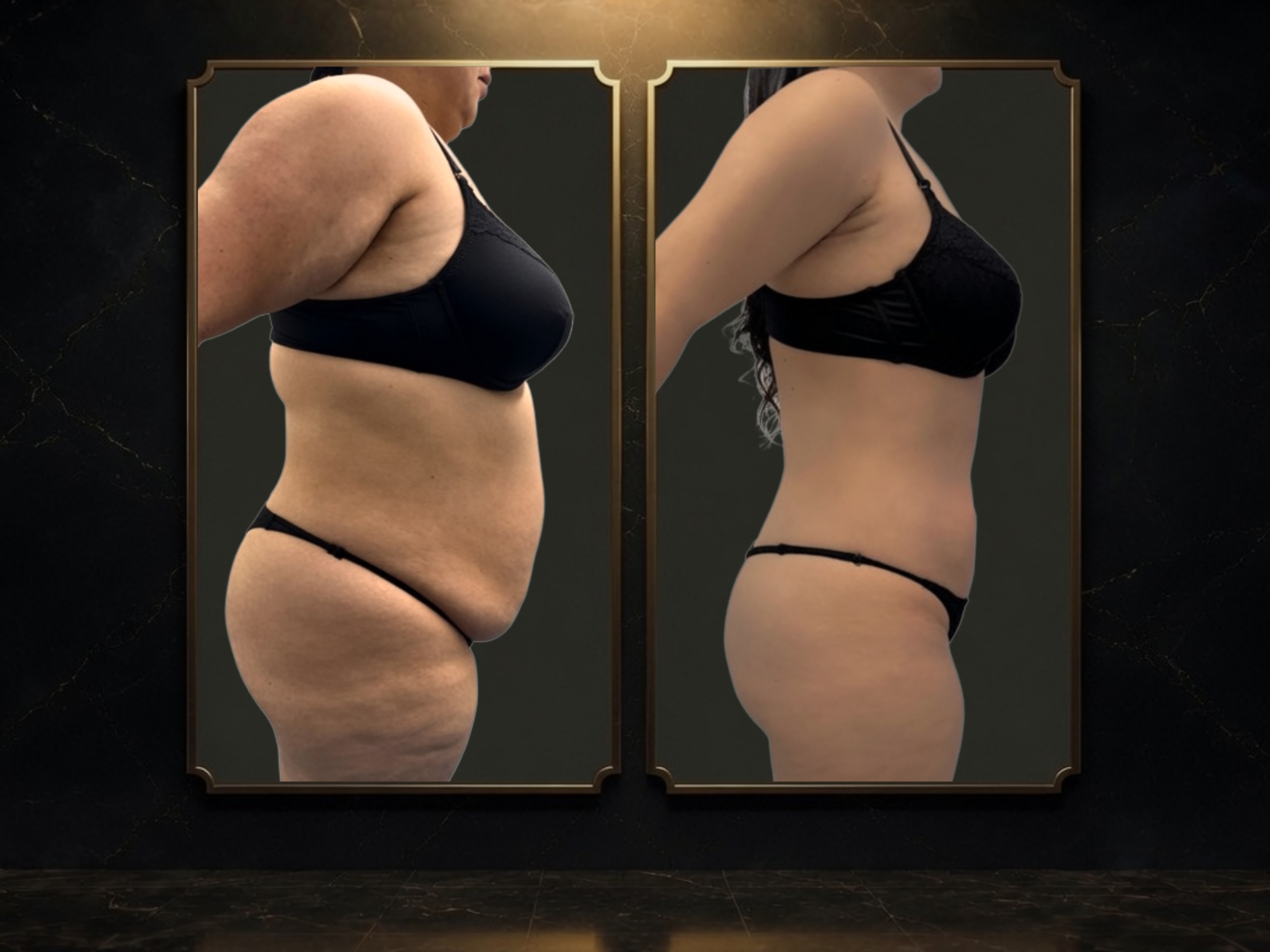
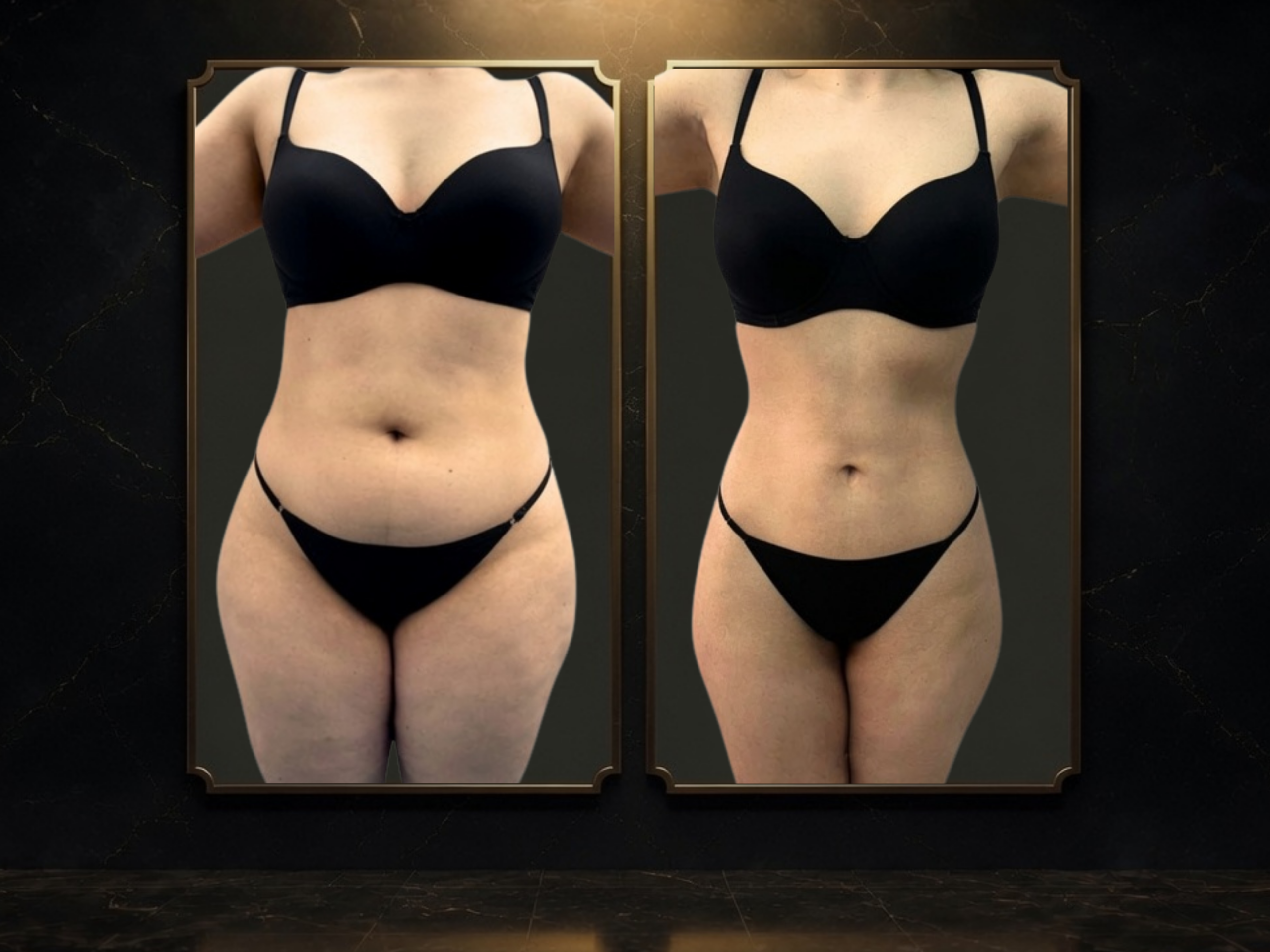
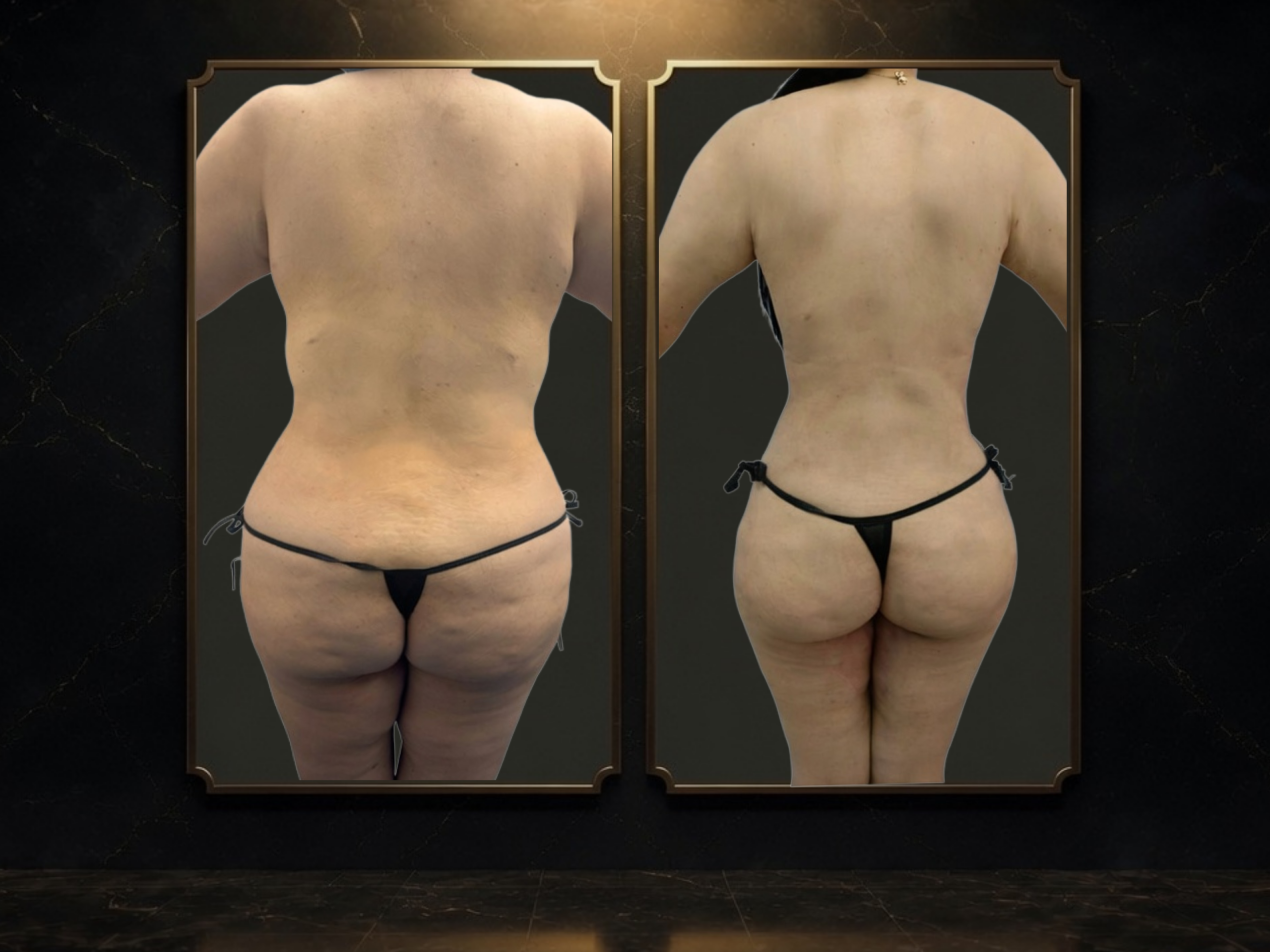
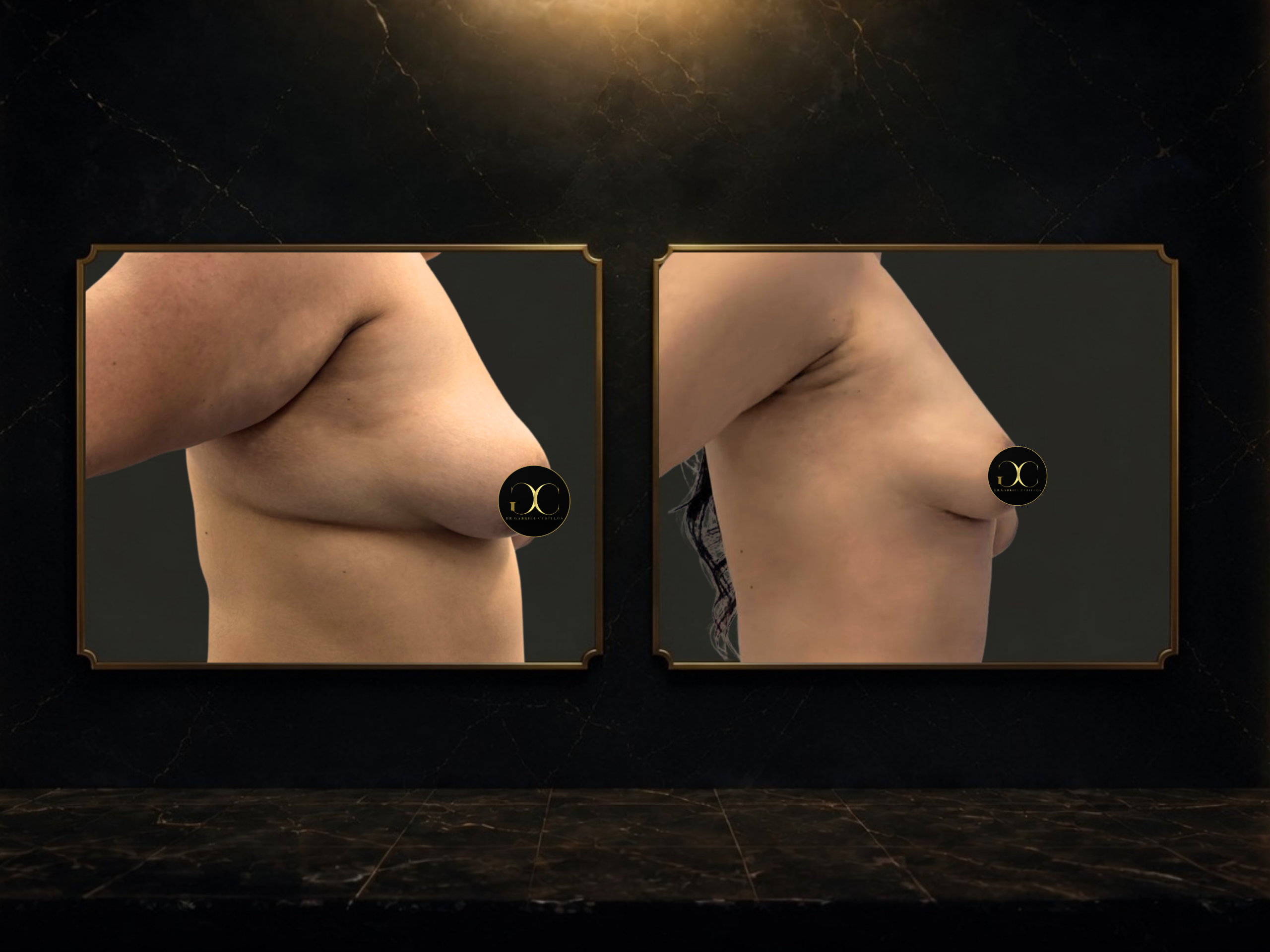
Documented experiences
Gallery shared on Dr. Gabriel Cubillos’ home page. Swipe to see the cases and tap an image to enlarge it.
These are individual results. Photographs cannot predict your progress or replace an explanation of benefits, risks and alternatives.
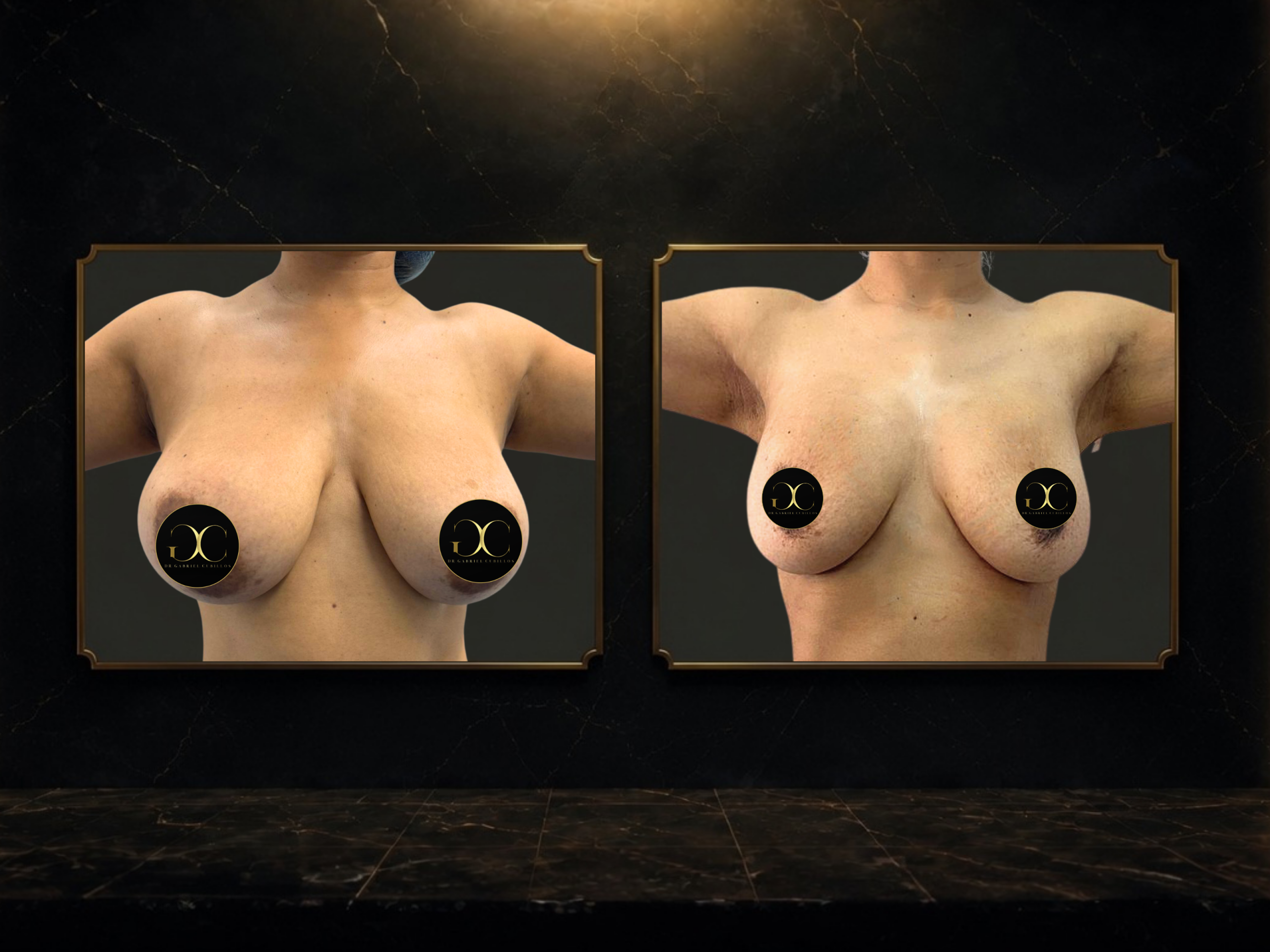
After the procedure
Recovery does not end when you leave the procedure room. The team provides an individual plan and adjusts its instructions according to your progress.
Compression may help manage swelling and provide support. Size, pressure and duration of use must be prescribed individually.
For five days after your procedure, pressotherapy and external laser treatments are used to help drain body fluids and reduce swelling.
Walking and remaining active are recommended after Laser Megalipolysis. Yoga and Pilates are the exercises Dr. Cubillos specifies for the postoperative process.
Hyperbaric chamber sessions are provided before the procedure, immediately afterward and for one to three additional sessions over the following days.
On the day of your procedure, you are supported by a nurse with many years of experience in postoperative Laser Megalipolysis care. Some patients request three or five days of support.
Postoperative care continues at home and includes adjusting the compression garment, doing yoga and Pilates, continuing treatment for obesity-related conditions and following personalized instructions.
Further reading
These two publications include Dr. Gabriel Cubillos among their authors. They provide context about the technique and its limitations; they do not replace an individual assessment.
Reviews technologies, mechanisms, potential benefits and limitations of laser-assisted lipolysis. It describes possibilities for improving contour and skin response, as well as differences between devices, the risk of thermal injury and the need for better long-term comparisons.
A prospective, nonexperimental study of 101 adults, with weight follow-up over three months and recording of early complications.
Describes favorable weight changes in that cohort. Its design does not demonstrate superiority over other techniques or establish long-term safety or outcomes.
Publication of an article, mention of a brand or device registration does not guarantee an individual’s outcome.
Your questions answered
Laser-assisted lipolysis incorporates laser energy into the treatment of adipose tissue. When fat removal is included, that stage is also part of the procedure. Ask which specific technique, anesthesia and care are included in your proposal.
This depends on the treatment, whether it includes incisions and fat removal, the type of anesthesia and personal risks. An external treatment is not equivalent to surgery. The facility must have the conditions and authorized services required for the proposed care.
There is no universal figure. The volume exposed to the laser, the material removed and subsequent weight change are different measurements. The team should explain your plan’s goals, limitations and possible stages without presenting them as a guarantee.
Skin adaptation varies, and loose skin may remain in some cases. Incisions can leave marks. Your assessment should consider whether this technique can meet your expectations or whether other options should be considered.
An absence of bleeding or pain cannot be guaranteed. Measures are planned to control and monitor them. Risks such as infection, seroma, contour irregularities, anesthetic complications and thromboembolic complications must also be explained.
When your team authorizes it. Tissue recovery, the movements involved in each activity and abdominal effort matter more than a single timeline for everyone.
The quote depends on the areas, clinical needs and services defined for each patient. Request a consultation to review your case and receive an itemized estimate.